

R3 Life Reviews Early Evidence on NK Cell Therapy in Neurodegenerative Diseases
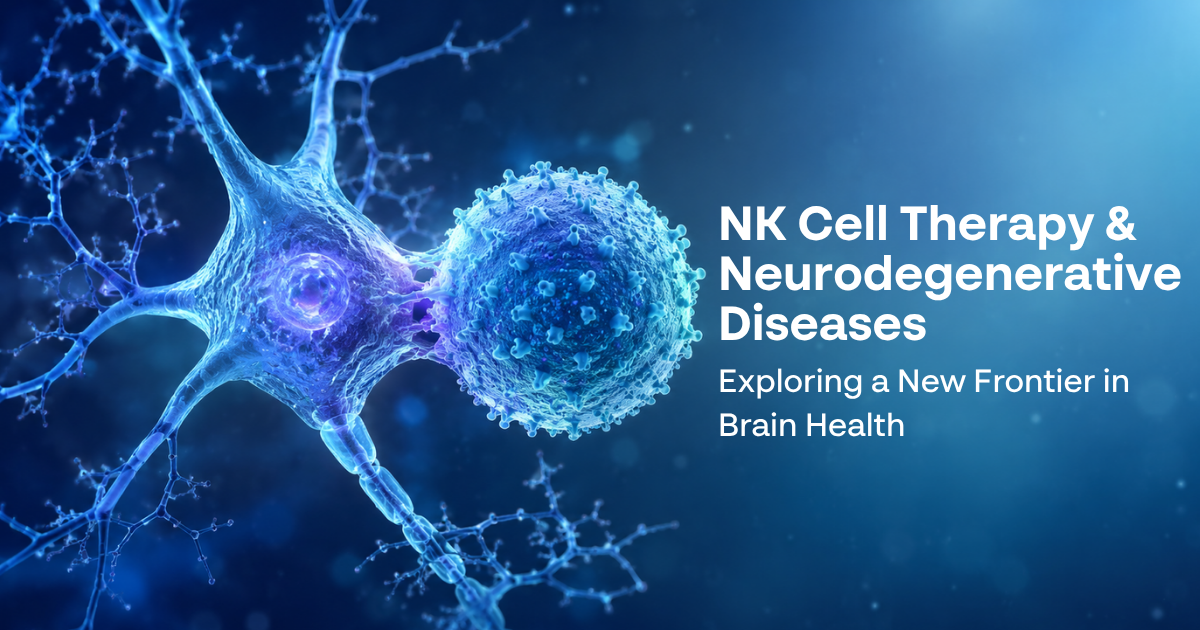
Conceptual illustration of a natural killer (NK) cell beside a neuron, representing emerging research into immune-system activity and neurodegenerative disease.
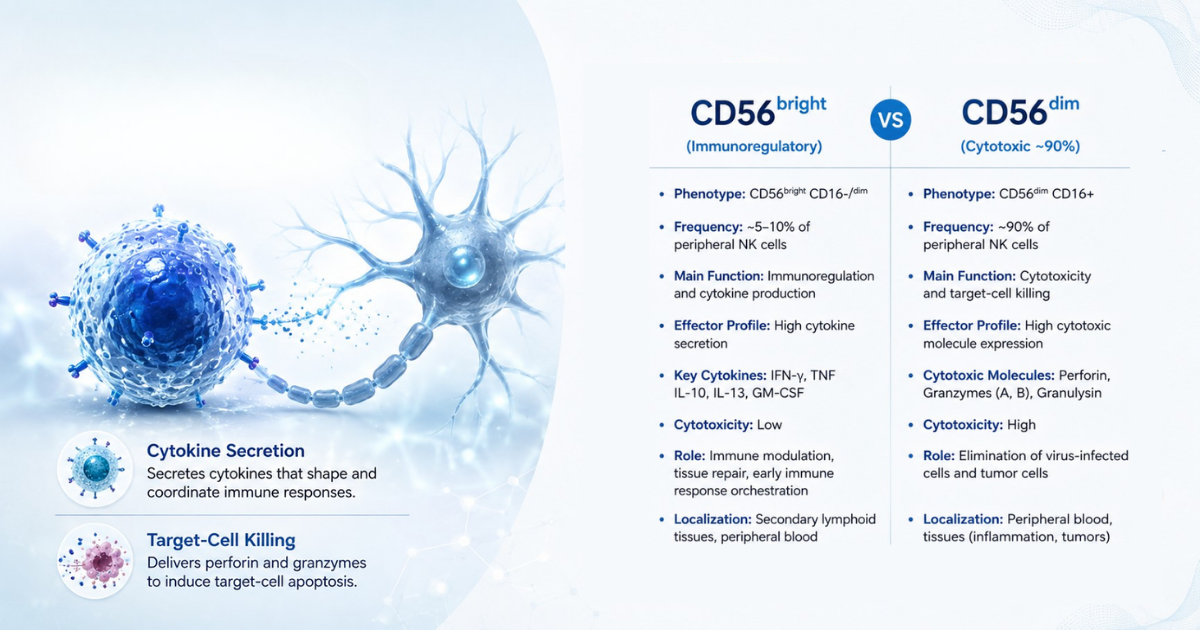
Infographic comparing CD56bright and CD56dim NK cell subsets. CD56bright cells are associated mainly with immune regulation and cytokine production, while CD56dim cells are predominantly cytotoxic.
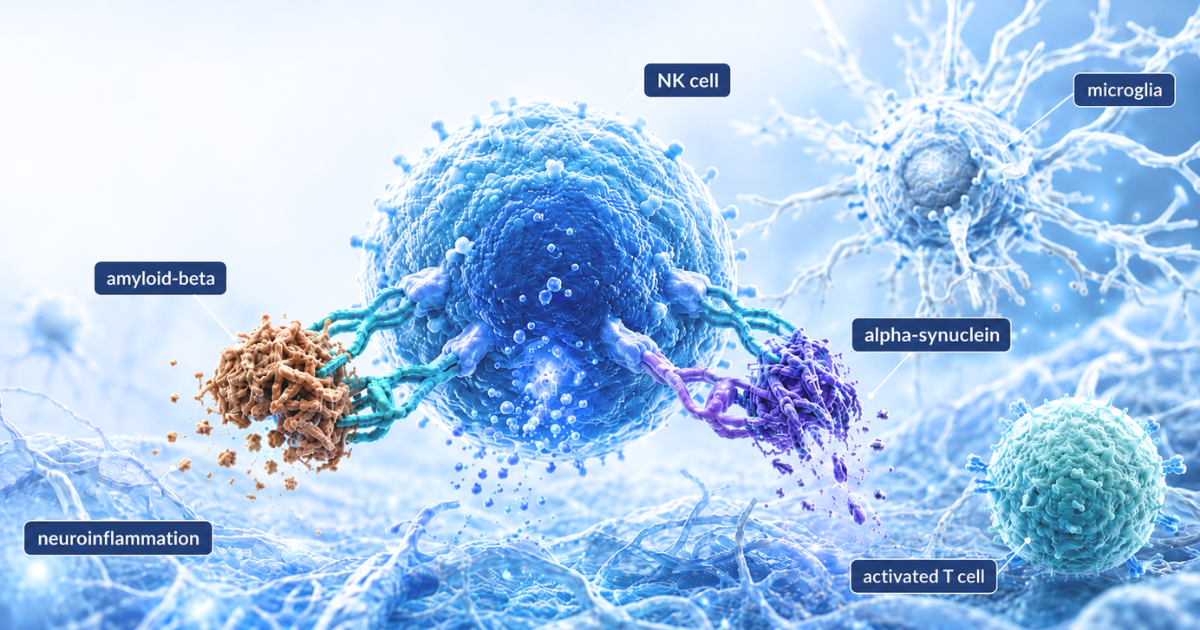
Conceptual illustration of proposed NK cell interactions involving amyloid-beta, alpha-synuclein, microglia, activated T cells and neuroinflammation. These mechanisms remain under investigation.
R3 Life examines an early Phase I Alzheimer’s study and preclinical Parkinson’s findings, while emphasizing that therapeutic benefit remains unproven.
BANGKOK, SILOM, THAILAND, September 3, 2026 /EINPresswire.com/ -- What If the Future of Brain Health Begins with the Immune System?
Natural Killer Cells Enter Human Trials for Brain Health, But the Science Is Still Early
The immune system's first responders are being studied for a new role in neurodegenerative disease. Here is what the evidence proves so far, and what it does not.
Natural Killer (NK) cells have long been known as the immune system's rapid-response unit, patrolling the body to identify and eliminate infected or abnormal cells. Now a growing body of research is asking a very different question: could these same cells help protect the aging brain?
The question moved from the laboratory into human patients in early 2025, when researchers published the first Phase I clinical trial testing expanded NK cells directly in people with Alzheimer's disease. The result did not prove a cure, and its authors are careful to say so, but it marked a turning point for a field that, until recently, existed almost entirely in cell cultures and mouse models.
Why researchers are looking at immune cells for the brain
For decades, neurodegenerative diseases such as Alzheimer's, Parkinson's, amyotrophic lateral sclerosis (ALS) and multiple sclerosis were studied primarily as diseases of neurons. That view has shifted. Researchers now recognize a chain of interconnected processes, chronic inflammation, immune dysregulation, abnormal protein accumulation and, ultimately, neuronal dysfunction.
Alzheimer's disease is associated with the buildup of amyloid-beta and tau, while Parkinson's disease is strongly linked to abnormal alpha-synuclein, the main component of Lewy bodies. Because the brain maintains its own immune environment, governed by cells such as microglia and astrocytes, scientists have increasingly turned their attention to the relationship between the immune system and the brain. NK cells sit squarely at that intersection.
What NK cells actually do
NK cells are part of the innate immune system, best known for immune surveillance: recognizing and responding to cells that look abnormal, including certain virus-infected and tumor cells. But they also carry important regulatory functions. Depending on their type and environment, they can release cytokines, modulate inflammatory responses, interact with T cells and respond to stressed or abnormal cells within tissues.
They are not, however, a single uniform population. A distinction that matters greatly in brain research. Roughly 90% of circulating NK cells are the CD56dim subset, characterized mainly by strong cytotoxic activity. The smaller CD56bright subset is more immunoregulatory and acts as a potent producer of cytokines. Because these subsets can behave differently in different diseases, researchers caution against treating "NK cells" as a single, uniformly beneficial category.
The 2025 Alzheimer's trial: an important first step
The most concrete development to date came in February 2025, when a Phase I study was published in Alzheimer's Research & Therapy evaluating SNK01 an autologous, non-genetically modified expanded NK cell product developed by NKGen Biotech, since renamed troculeucel, in patients with Alzheimer's disease.
Eleven participants were enrolled, with ten evaluable for analysis. They received intravenous NK cell infusions every three weeks for four treatments, using a standard dose-escalation design. The primary objective was safety, while researchers also tracked cognitive measures and cerebrospinal fluid biomarkers tied to amyloid, tau, neurodegeneration and neuroinflammation.
The findings were cautiously encouraging. No adverse events were attributed to the NK cell product itself, though procedure-related events such as injection-site pain did occur, as expected in any infusion trial. Around 90% of evaluable participants showed stable or improved cognitive scores at the primary time point, and two neuroinflammation-related biomarkers, pTau181 and GFAP, showed dose-dependent reductions.
What this means, and what it does not. The study demonstrates that expanded NK cells can be given to Alzheimer's patients and studied directly in humans, a genuine milestone. It does not demonstrate that NK cell therapy can slow, stop or reverse Alzheimer's disease. This was a small, early-phase trial designed mainly to assess safety and look for preliminary biological signals. Larger, longer, randomized controlled trials remain essential.
The Parkinson's connection: stronger preclinical evidence
The laboratory case is arguably strongest in Parkinson's disease. In a widely cited 2020 study in the Proceedings of the National Academy of Sciences (PNAS), researchers showed that NK cells can internalize and degrade alpha-synuclein aggregates. When NK cells were depleted in a mouse model, alpha-synuclein pathology and neuroinflammation worsened, suggesting these cells help maintain immune balance in the nervous system.
Again, the caveat is critical: evidence that NK cells participate in disease biology is not evidence that NK cell therapy treats Parkinson's disease in people. Human clinical data in Parkinson's remains limited.
It is also worth noting a distinction the article's underlying research supports but marketing often blurs: the evidence that NK cells directly clear alpha-synuclein is robust, while the parallel claim for amyloid-beta is weaker. Current data suggest NK cells may support amyloid-beta clearance mainly indirectly, by helping restore impaired microglial function, a promising but far less established mechanism.
Inflammation is not simply "good" or "bad"
A 2024 review in the Journal of Neuroinflammation examined the role of CD56bright NK cells across Alzheimer's, Parkinson's, MS and ALS. Its central message was one of complexity: NK cells may be either beneficial or detrimental depending on the disease, the NK cell subset involved and the stage of disease.
That nuance is easy to lose in enthusiastic coverage. Inflammation itself is not inherently harmful, an appropriate immune response protects tissue. The problem arises when inflammatory signaling becomes persistent or poorly regulated. The therapeutic goal, therefore, is not simply to increase NK cells, but to understand which NK cells, activated in which way, in which tissue environment.
From immune cells to regenerative medicine
The interest in NK cells reflects a broader shift in regenerative and longevity medicine, away from simply replacing damaged tissue and toward influencing the body's own biological systems, including the immune system. NK cells are compelling precisely because they sit at the junction of immune surveillance, inflammation, cellular health and tissue environment.
This does not make NK cell therapy a proven longevity treatment. It positions it as an emerging area of cellular medicine research that may, over time, deepen scientific understanding of how immune health, aging and neurological disease are connected.
The open questions
Before NK cell therapy could become part of any mainstream brain-health strategy, researchers will need to answer several questions: Which NK cell subsets are most beneficial? What is the optimal dose and schedule? How long do infused cells remain functional? Can they meaningfully reach and influence the central nervous system? Which patients are most likely to benefit, and can treatment change disease progression rather than only biomarkers?
That last point is decisive. Because neurodegenerative diseases develop over many years, a therapy that shifts an inflammatory biomarker does not automatically change long-term cognitive or neurological outcomes. Only larger randomized controlled trials can bridge that gap.
What the current evidence tells us, in three levels
What is established: NK cells are biologically active immune cells with important regulatory and cytotoxic functions.
What emerging research suggests: NK cells may interact with neuroinflammation and with abnormal protein aggregates associated with neurodegenerative disease, most convincingly with alpha-synuclein.
What remains unproven: Whether NK cell therapy can prevent, slow, reverse or cure neurodegenerative disease in humans.
A wider view of brain aging
Brain health is shaped by far more than any single pathway. From a preventive and longevity-medicine standpoint, protecting cognition means attending to cardiometabolic and vascular health, physical activity, sleep, nutrition, stress management, cognitive stimulation and healthy immune function. NK cells are one piece of a much larger picture, an increasingly interesting piece, but a piece nonetheless.
The bottom line
The relationship between the immune system and the brain is one of the most compelling frontiers in regenerative medicine. NK cells may help regulate neuroinflammation, interact with abnormal protein aggregates and contribute to immune surveillance, and the first human studies are now beginning to test whether these mechanisms translate into real therapeutic benefit.
But science has not reached the finish line. NK cell therapy remains promising and investigational in neurodegenerative disease. For anyone considering cellular therapies, the most important step is not asking whether a treatment is "new" or "regenerative," but understanding the actual scientific evidence, the specific cell product being used, its quality and safety profile, and whether it is appropriate for the individual's medical circumstances.
In regenerative medicine, promising science deserves attention, but evidence should always guide expectations.
Editor's note: This article is provided for educational and informational purposes only and does not constitute medical advice or an offer of treatment. NK cell therapy for neurodegenerative disease is investigational and is not an approved treatment for Alzheimer's or Parkinson's disease. Individuals should consult a qualified healthcare professional regarding their specific circumstances.
Client Service
R3 LIFE WELLNESS CENTER
+66 88 689 8888
cs@r3lifewellness.com
Visit us on social media:
LinkedIn
Instagram
Facebook
TikTok
X
Legal Disclaimer:
EIN Presswire provides this news content "as is" without warranty of any kind. We do not accept any responsibility or liability for the accuracy, content, images, videos, licenses, completeness, legality, or reliability of the information contained in this article. If you have any complaints or copyright issues related to this article, kindly contact the author above.
