

Bathroom Deep Cleaning Addresses Areas Often Missed During Routine Household Cleaning
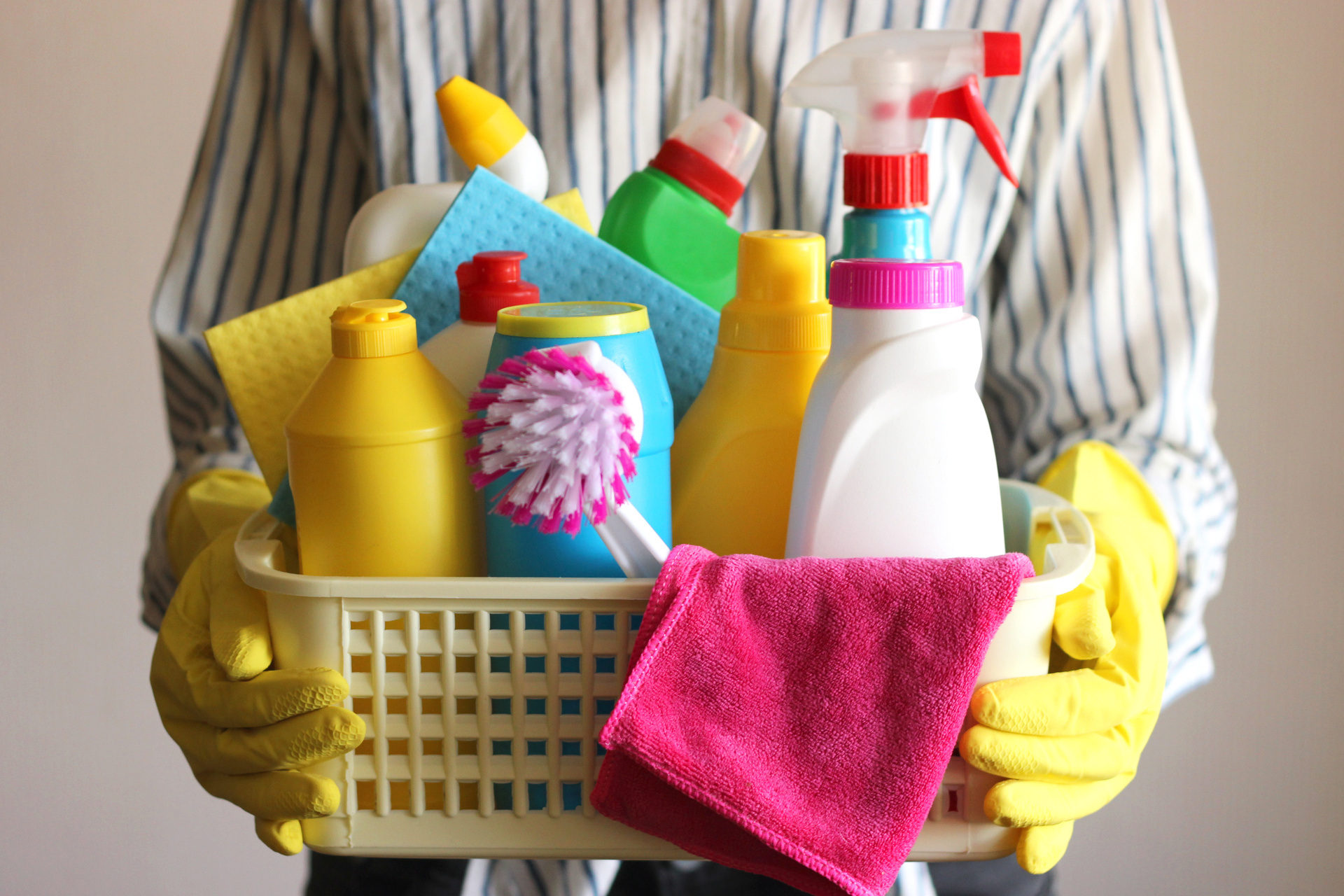

Routine cleaning is important for maintaining the bathroom from week to week, but deep cleaning addresses areas that are not necessarily handled during every cleaning”
BATON ROUGE, LA, UNITED STATES, August 13, 2026 /EINPresswire.com/ -- — Falesity Mecca
Routine bathroom cleaning typically focuses on frequently used and visible surfaces, while deep cleaning involves additional attention to areas where soap residue, mineral deposits, moisture, dust and other buildup can accumulate over time. Understanding the difference can help homeowners establish cleaning schedules based on how bathrooms are used and the conditions present within individual homes.
Bathrooms present cleaning challenges that differ from many other rooms because water and humidity are part of daily use. Showers, tubs and sinks regularly produce moisture, while personal care products can leave residue on surfaces. Ventilation, water hardness, household size and cleaning frequency can all influence how quickly buildup develops.
“Routine cleaning is important for maintaining the bathroom from week to week, but deep cleaning addresses areas that are not necessarily handled during every cleaning,” said Falesity Mecca, owner of Mid City Cleaning of Baton Rouge in Baton Rouge, Louisiana. “The difference is often found in the details, such as grout, fixtures, baseboards, areas behind toilets and places where moisture or residue has accumulated gradually.”
Routine Cleaning Focuses on Regularly Used Surfaces
A routine bathroom cleaning generally addresses the areas encountered most frequently.
Typical tasks may include cleaning sinks and countertops, wiping mirrors, cleaning toilets, wiping tubs or showers, emptying trash containers and cleaning floors.
These activities help manage the material that accumulates through normal daily use.
The frequency of routine cleaning depends on the household. A bathroom used by several family members may require attention more frequently than a guest bathroom used only occasionally.
Routine cleaning can also help prevent some forms of buildup from becoming more difficult to remove later.
Deep Cleaning Expands the Scope
Bathroom deep cleaning generally goes beyond the surfaces addressed during regular maintenance.
Baseboards, cabinet fronts, door frames, vents, light fixtures and less accessible areas may receive additional attention. Spaces behind or around toilets can also collect dust and residue that are easily missed during quick cleaning sessions.
Shower tracks, corners and edges may require more detailed cleaning because moisture and residue can collect within narrow spaces.
The objective is to address areas that gradually accumulate material despite regular surface cleaning.
Grout Can Require Additional Attention
Tile grout is one area where the distinction between routine and deep cleaning becomes particularly noticeable.
Grout lines can collect soap residue, dirt and other material over time. Because grout may be porous depending on the material and condition, ordinary wiping may not always remove accumulated discoloration.
Deep cleaning may involve spending additional time on individual grout lines and evaluating whether deterioration, damaged caulk or other conditions are present.
Cleaning cannot correct structural damage, so cracked grout, failed caulk or loose tile may require repair rather than additional scrubbing.
Hard Water Can Leave Mineral Deposits
Water quality can affect bathroom cleaning requirements.
Minerals in water may leave visible deposits on faucets, showerheads, glass doors and other surfaces. Those deposits can gradually become more noticeable if they are not addressed periodically.
Cleaning methods should be selected according to the surface involved.
Certain products appropriate for one material may damage another, particularly natural stone, specialty finishes or some metals.
Understanding the surface before applying cleaning chemicals is an important part of bathroom maintenance.
Moisture Makes Ventilation Important
Bathrooms regularly experience elevated humidity from showers and baths.
Ventilation helps remove moisture from the room, but exhaust fans can accumulate dust that reduces airflow. Deep cleaning may include removing accessible dust from fan covers and examining ventilation areas for visible buildup.
Persistent moisture can also indicate issues that cleaning alone cannot resolve.
Water leaks, inadequate ventilation or damaged seals may require maintenance or repair.
“Cleaning can remove surface buildup, but recurring moisture problems deserve separate attention,” Mecca said. “If an area repeatedly stays damp or shows signs of water intrusion, identifying the source is just as important as cleaning the visible surface.”
Fixtures Contain Small Areas That Collect Buildup
Faucets, handles, drains and showerheads contain edges and connections that can accumulate residue.
Routine cleaning may involve wiping the visible surfaces, while deep cleaning can include closer attention around fixture bases, seams and other small areas.
Toilet bases, hinges and areas behind fixtures can present similar issues.
These locations are easy to overlook because they may not be immediately visible when entering the bathroom.
Cabinets and Storage Areas Can Be Included
Bathroom cabinets and drawers can collect dust, hair, spilled products and residue from toiletries.
Deep cleaning may involve removing items, wiping shelves or drawers and discarding empty containers or outdated products.
Areas underneath sinks can also be examined for moisture.
Small plumbing leaks may initially appear as dampness, staining or residue inside a cabinet. Discovering those signs during cleaning can allow plumbing concerns to be investigated separately.
Floors Require More Than Open-Surface Cleaning
Routine floor cleaning usually addresses open areas, but bathroom floors contain numerous edges and obstacles.
The spaces around toilets, vanities, baseboards and door frames can accumulate material that ordinary mopping may not completely remove.
Deep cleaning can involve working along those edges and paying closer attention to corners and grout lines.
Flooring materials should also be considered when selecting cleaning methods.
Deep Cleaning Frequency Depends on the Bathroom
No single schedule applies to every household.
Usage, ventilation, water conditions, pets and household size can all influence how frequently a bathroom requires more detailed attention.
Regular cleaning can help limit buildup, while periodic deep cleaning addresses areas outside the normal weekly routine.
For Baton Rouge households, humidity can add another consideration because bathrooms already produce substantial moisture during everyday use.
A practical cleaning schedule therefore combines routine maintenance with periodic attention to overlooked areas.
The distinction is not simply about cleaning longer. Deep cleaning changes the scope of the work by addressing details, edges, fixtures and buildup that routine cleaning may leave behind.
Morgan Thomas
Rhino Digital, LLC
+1 504-875-5036
email us here
Visit us on social media:
Facebook
Legal Disclaimer:
EIN Presswire provides this news content "as is" without warranty of any kind. We do not accept any responsibility or liability for the accuracy, content, images, videos, licenses, completeness, legality, or reliability of the information contained in this article. If you have any complaints or copyright issues related to this article, kindly contact the author above.
