

Backyard Upgrades for Summer Highlight Trends in Pool Tile, Outdoor Kitchens, and Poolside Furnishings
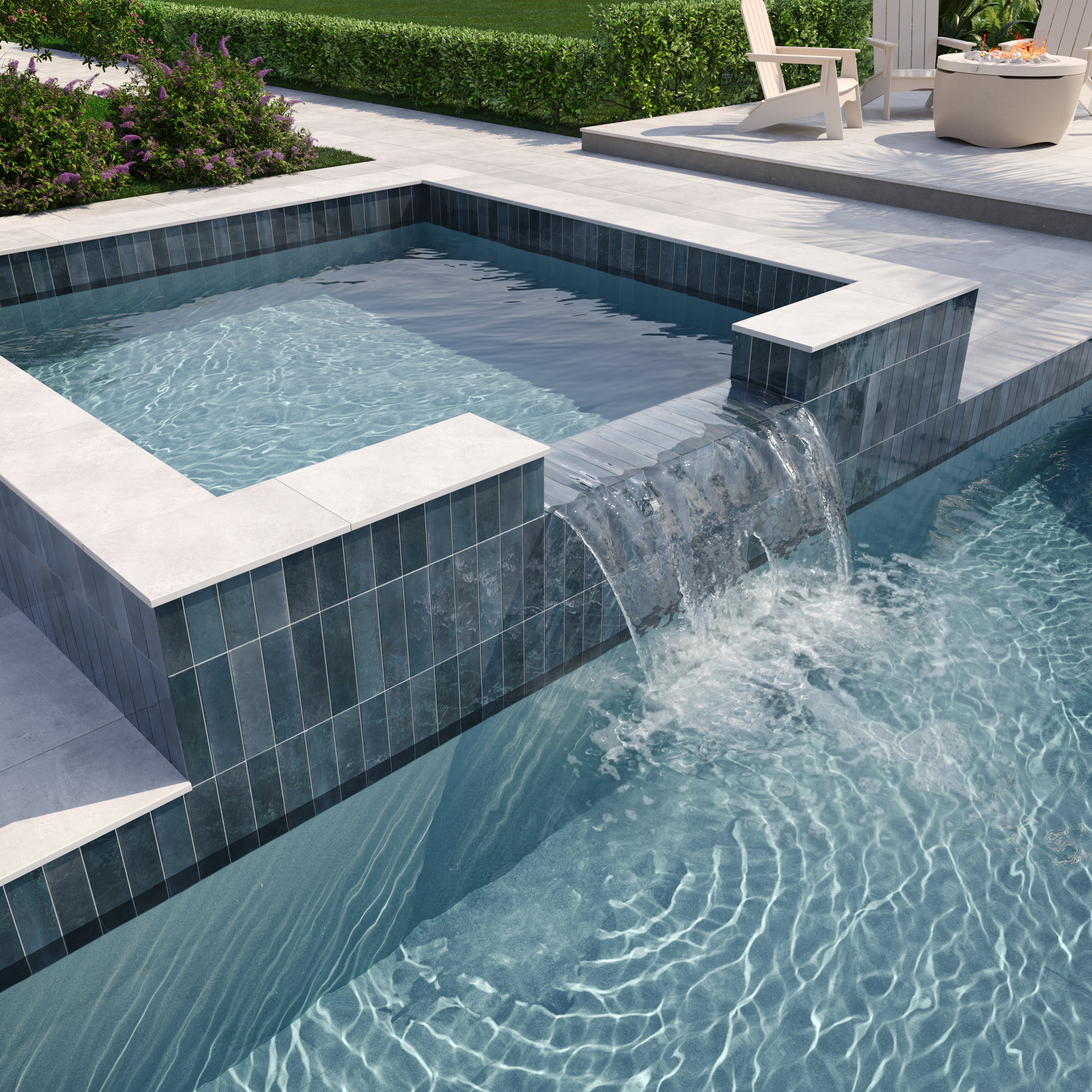
Agadir Lago, 2.8" x 11" - Porcelain Tile at AquaBluMosaics.com
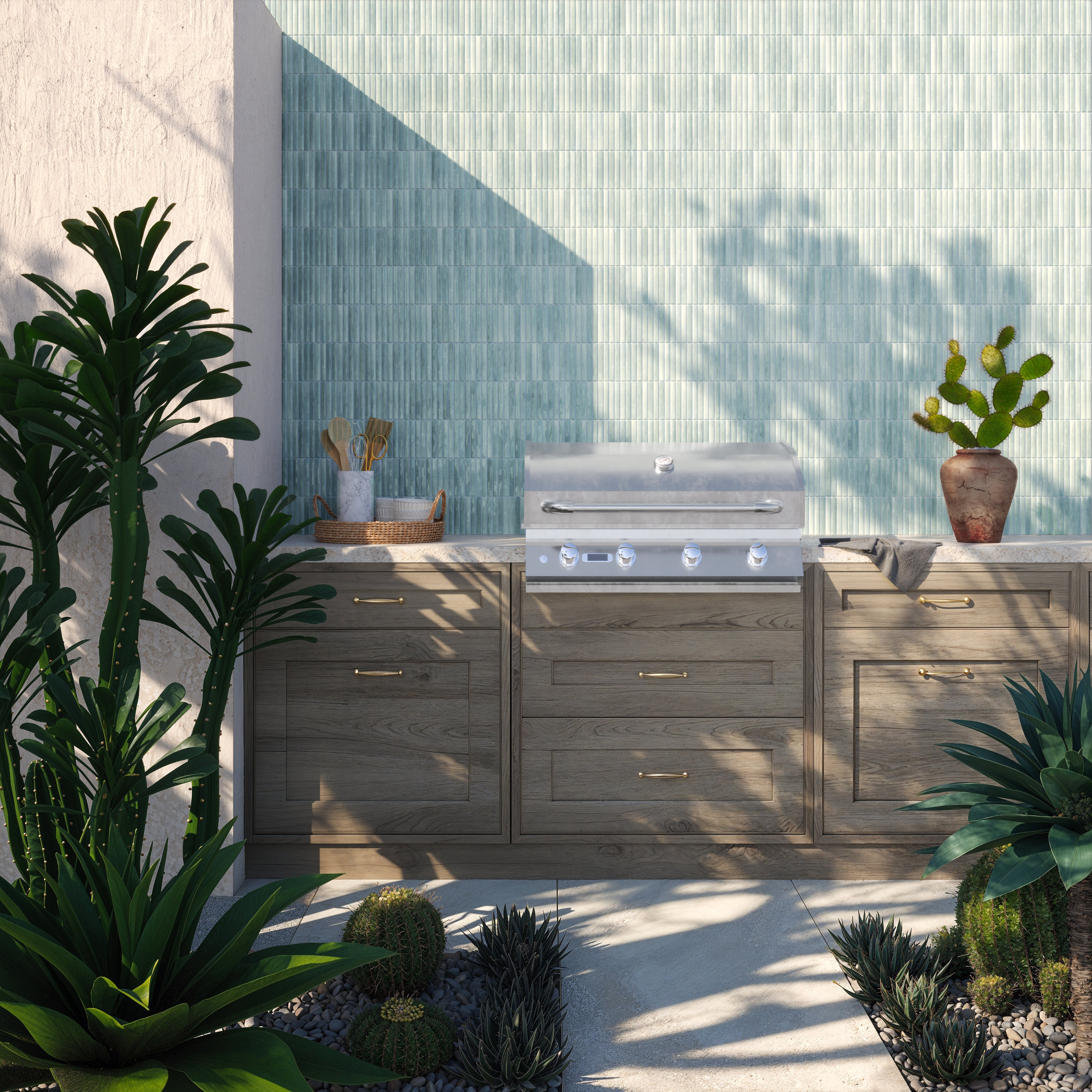
Kit-Kat Water, 4.5" x 9.1" - Porcelain Tile at AquaBluMosaics.com
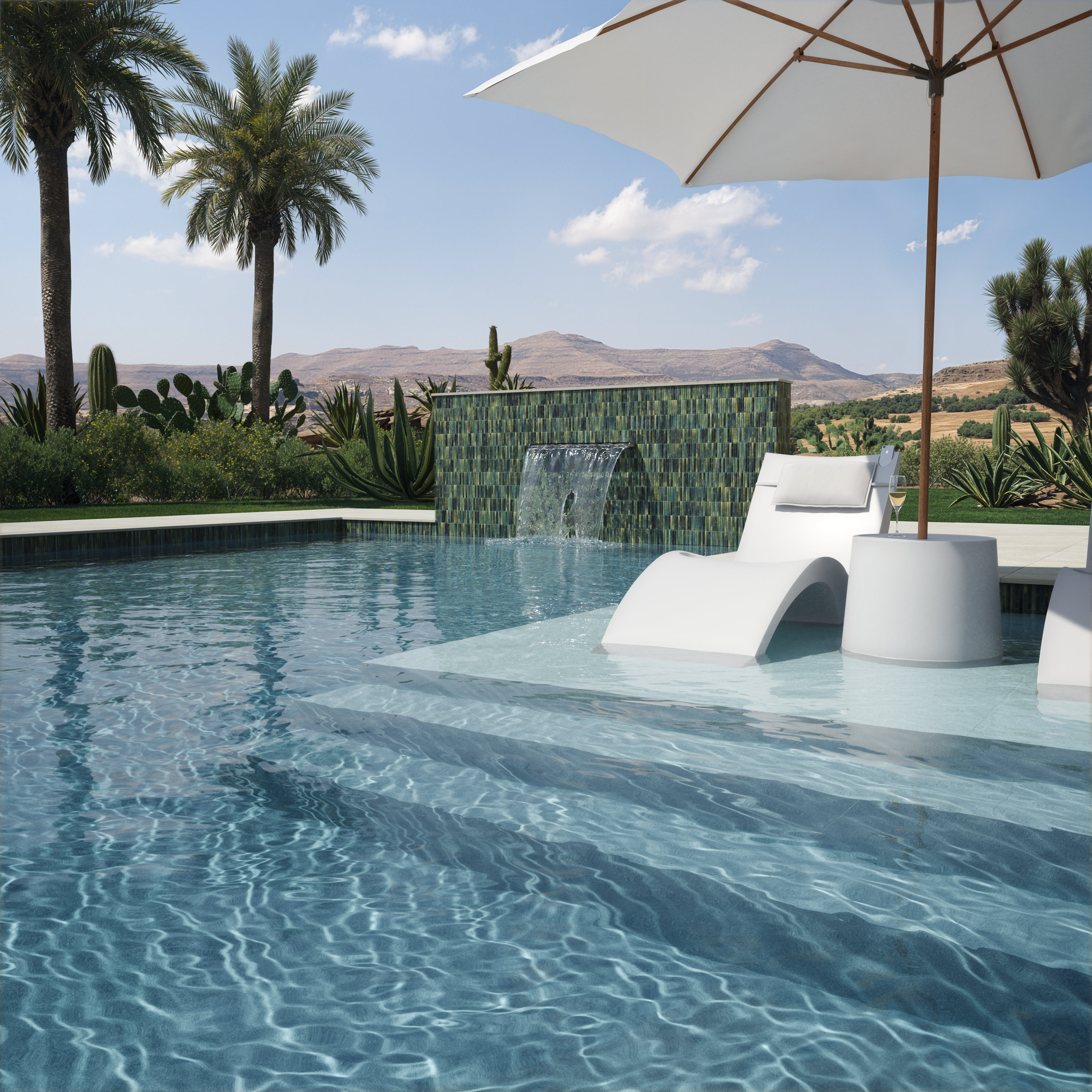
Kai Shelf Lounger, White (Set of Two) - Luxury Pool Lounge Chair at AquaBluMosaics.com
Industry activity indicates that a range of improvements, such as updated pool tile, integrated outdoor kitchens, and expanded poolside furnishings, are being incorporated into both new builds and renovation projects. These upgrades are often approached as part of a broader effort to create outdoor environments that can support relaxation, entertainment, and everyday use while maintaining long-term performance under varying environmental conditions.
Pool Tile as a Central Design Element
Among the most frequently updated features in backyard renovations is the swimming pool itself, with tile selection playing a central role in both appearance and performance. Porcelain pool tile, in particular, continues to be widely specified due to its durability and resistance to common outdoor stressors such as moisture, ultraviolet exposure, and temperature fluctuations.
In many projects, porcelain tile is used along the waterline to create a clean visual boundary between the pool interior and the surrounding deck. This application serves both aesthetic and practical purposes, as waterline tile can help reduce the visibility of residue buildup while contributing to the overall design of the pool.
Design preferences vary depending on the intended style of the space. Neutral tones, including shades of gray, white, and soft blue, are often selected to support a more understated and timeless look. At the same time, mosaic tile patterns and more saturated color palettes are also used to introduce contrast and create focal points within the pool environment. These design choices are typically informed by the surrounding architecture, landscaping, and intended use of the space.
In addition to visual considerations, performance characteristics remain a primary factor in material selection. Porcelain tile is generally recognized for its low water absorption rate and resistance to staining and fading, making it suitable for long-term outdoor use. As a result, it is commonly included in both residential and commercial aquatic installations where durability is a priority.
Material Coordination in Outdoor Kitchens
Outdoor kitchens have become an increasingly common feature in backyard design, reflecting a broader shift toward outdoor entertaining and multi-functional spaces. As these installations become more prevalent, there is a growing emphasis on material coordination between the kitchen area and adjacent features such as pools and patios.
Tile is frequently incorporated into outdoor kitchens in the form of backsplashes, countertops, and vertical cladding. In many cases, designers and builders select materials that visually align with those used in the pool area to create a cohesive overall appearance. Porcelain tile is often utilized in these applications due to its ability to withstand exposure to heat, moisture, and food preparation conditions.
The use of tile in outdoor kitchens also allows for variation in texture and finish, which can contribute to the overall design without compromising functionality. Matte finishes are commonly used to reduce glare and provide a more contemporary appearance, while textured surfaces may be selected to introduce depth or improve slip resistance in certain areas.
Layout considerations play an important role as well. Outdoor kitchens are often positioned to maximize accessibility to both indoor living spaces and pool areas, supporting a seamless transition between different zones of the backyard. This integrated approach reflects a broader trend toward designing outdoor environments that function as extensions of the home rather than separate or secondary spaces.
Increased Focus on Poolside Comfort and Accessibility
In addition to structural and material upgrades, many backyard projects now include features intended to improve comfort and usability. Poolside furnishings and in-water elements are being incorporated to support longer periods of use and a wider range of activities.
Sun shelf loungers are one example of this trend. Designed for placement in shallow areas of the pool, such as tanning ledges or entry shelves, these loungers allow individuals to recline partially submerged in water. This configuration provides a balance between sun exposure and cooling, making it a practical option in warmer climates.
The inclusion of in-pool accessories has also become more common. Side tables designed for shallow water use are frequently installed alongside loungers to provide convenient surfaces for personal items. These additions can improve accessibility and reduce the need for users to exit the pool area when using the space for extended periods.
Material selection for these furnishings typically prioritizes resistance to water, sunlight, and chemical exposure. As with other elements of backyard design, durability is a key consideration, particularly in regions where outdoor features are subject to frequent use and changing weather conditions.
Integrated Design Approaches in Outdoor Spaces
A consistent theme across recent backyard projects is the use of integrated design strategies. Rather than treating individual components, such as the pool, kitchen, and seating areas, as separate elements, many projects are planned with an emphasis on continuity and coordination.
This approach often involves selecting a limited palette of materials and finishes that can be applied across multiple areas of the space. For example, tile used in the pool may be echoed in the outdoor kitchen or adjacent water features, while complementary colors and textures are used in furnishings and hardscaping.
Lighting, landscaping, and spatial layout also contribute to this cohesive design strategy. Pathways, seating areas, and transitional zones are arranged to support ease of movement and visual consistency. In many cases, these elements are designed to accommodate both daytime and evening use, reflecting the increasing role of outdoor spaces in daily living.
Design professionals note that this level of coordination can help improve both the functionality and overall appearance of a backyard environment. By considering how different components interact, it is possible to create spaces that feel more unified and adaptable to a range of uses.
Thomas Hlubin
AquaBlu Mosaics
+1 800-971-1442
email us here
Visit us on social media:
LinkedIn
Instagram
Facebook
YouTube
TikTok
Legal Disclaimer:
EIN Presswire provides this news content "as is" without warranty of any kind. We do not accept any responsibility or liability for the accuracy, content, images, videos, licenses, completeness, legality, or reliability of the information contained in this article. If you have any complaints or copyright issues related to this article, kindly contact the author above.
