

Built Environment Expert Banu Pekol Named Global Finalist for UN Special Rapporteur on Adequate Housing
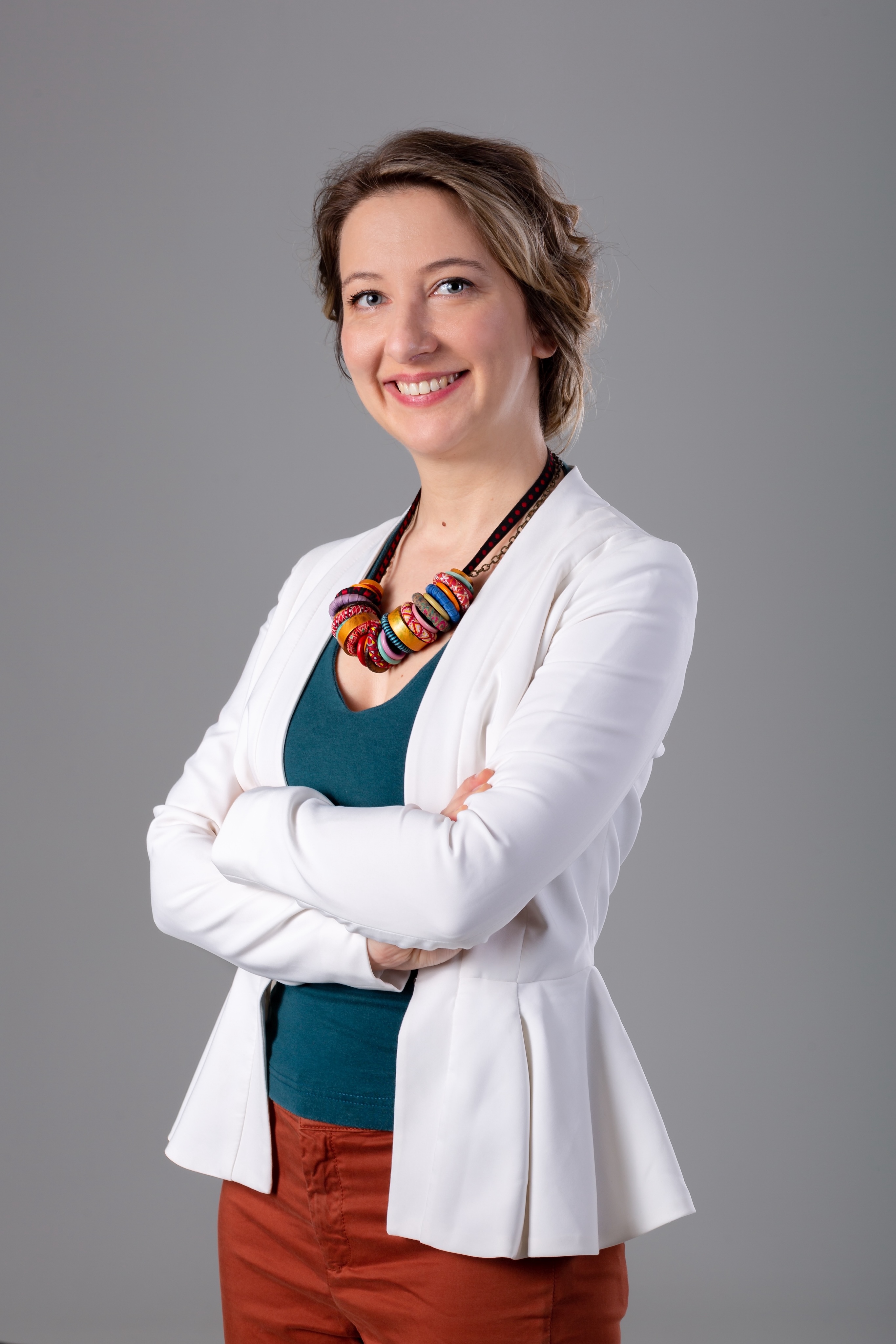
Dr. Banu Pekol, top–three global finalist for UN Special Rapporteur on the Right to Adequate Housing, advocates evidence–based, human–rights–driven housing solutions.
Banu Pekol calls for “Radical Adaptive Reuse” to curb housing inequality and climate-driven displacement worldwide.
If appointed, she would be the only woman among the current finalists and the first candidate with a built-environment background to hold the mandate in over a decade. Her candidacy arrives at a critical juncture; UN-Habitat estimates that 96,000 new affordable housing units must be completed every day to meet global needs by 2030.
"Adequate housing encompasses more than protection from the elements; it secures protection from exclusion," says Dr. Pekol. "We must shift from documenting violations toward engineering prevention by combining evidence, empathy, and pragmatic systems thinking."
Radical Adaptive Reuse: Turning Waste into Dignity
A cornerstone of Dr. Pekol’s vision is Radical Adaptive Reuse—unlocking the social and environmental value of existing buildings to end wasteful demolition cycles. While billions face housing inadequacy, wealthy countries demolish hundreds of thousands of usable homes annually, generating over 600 million tons of construction waste each year (EPA 2023).
Nikos Chrysogelos, Deputy Mayor of Athens for Climate Governance and Social Economy and former Member of the European Parliament, underscored the impact of this approach: "Dr. Pekol’s priorities are very important and timely."
"The greenest building is the one already standing," Dr. Pekol explains. "By reusing existing structures, we halve emissions, preserve communities, and strengthen local belonging."
A Proactive Future: The Housing Stability Observatory
Dr. Pekol proposes a global Housing Stability Observatory to anticipate and prevent housing crises through a combination of technology and mediation:
Predictive Analytics: Using AI and geospatial data to identify "housing stress zones" before eviction or displacement occurs.
Community Mediation Hubs: Training neighborhood-level mediators to resolve tenure disputes and ensure climate adaptation does not result in forced resettlement.
From Istanbul to Global Advocacy
Born and raised in Istanbul in a family of scientists, Dr. Pekol’s upbringing instilled a lifelong commitment to empirical rigor. Originally a professor of architectural conservation and history, she co-founded an NGO to bridge built heritage with human rights, later evolving this into a global practice in peacebuilding and spatial justice. Now based in Berlin, she translates rights-based urban principles into practice through international organizations and global networks.
"Growing up where scientific evidence was the standard for truth, I learned that housing security is a measurable necessity for human dignity," she says. "That awareness drives my work in designing inclusive, data-backed policy responses and community-led solutions."
Gender-Sensitive and Inclusive Design
As the only woman finalist for this global post, Dr. Pekol emphasizes that design and dignity are inseparable. "I’ve seen housing that meets technical standards yet fails human ones," she notes. "True adequacy requires safety, privacy, and belonging—especially for women and marginalized communities."
The urgency of this mandate is evident in global data: 1.6 billion people lack adequate housing, while the built environment produces 37% of global greenhouse gas emissions. Furthermore, structural legal and cultural barriers mean women remain twice as likely as men to lack secure tenure.
"When architecture meets human rights, rebuilding walls can also rebuild trust," Dr. Pekol reflects. "Adequate housing is where dignity becomes structural."
About Dr. Banu Pekol
Dr. Banu Pekol is a Berlin-based scholar and practitioner specializing in built environment, mediation, and human rights, with over two decades of experience advancing architectural justice and social inclusion across Europe, the Middle East, and South Asia. Her collaborations with UN-Habitat, the British Council and other global bodies bridge field practice and policy reform. A certified international mediator and Hostile Environment trained professional, Dr. Pekol advocates globally for housing as a foundation for dignity, identity, and peace.
Photos: https://drive.google.com/drive/folders/10okN7SzkDiv-uI5VqiHxuciDztYBqTjY?usp=drive_link
Availability: Dr. Pekol is available for interviews and expert commentary on the right to adequate housing, climate-resilient urban development, and the implementation of spatial justice in conflict and post-disaster contexts.
Banu Pekol
Independent Expert
email us here
Visit us on social media:
LinkedIn
Legal Disclaimer:
EIN Presswire provides this news content "as is" without warranty of any kind. We do not accept any responsibility or liability for the accuracy, content, images, videos, licenses, completeness, legality, or reliability of the information contained in this article. If you have any complaints or copyright issues related to this article, kindly contact the author above.
