

High-Tech, Low-Fi Revolution: MyTSV.com Unveils How AI is Disrupting and Supercharging Photography and Video in 2026
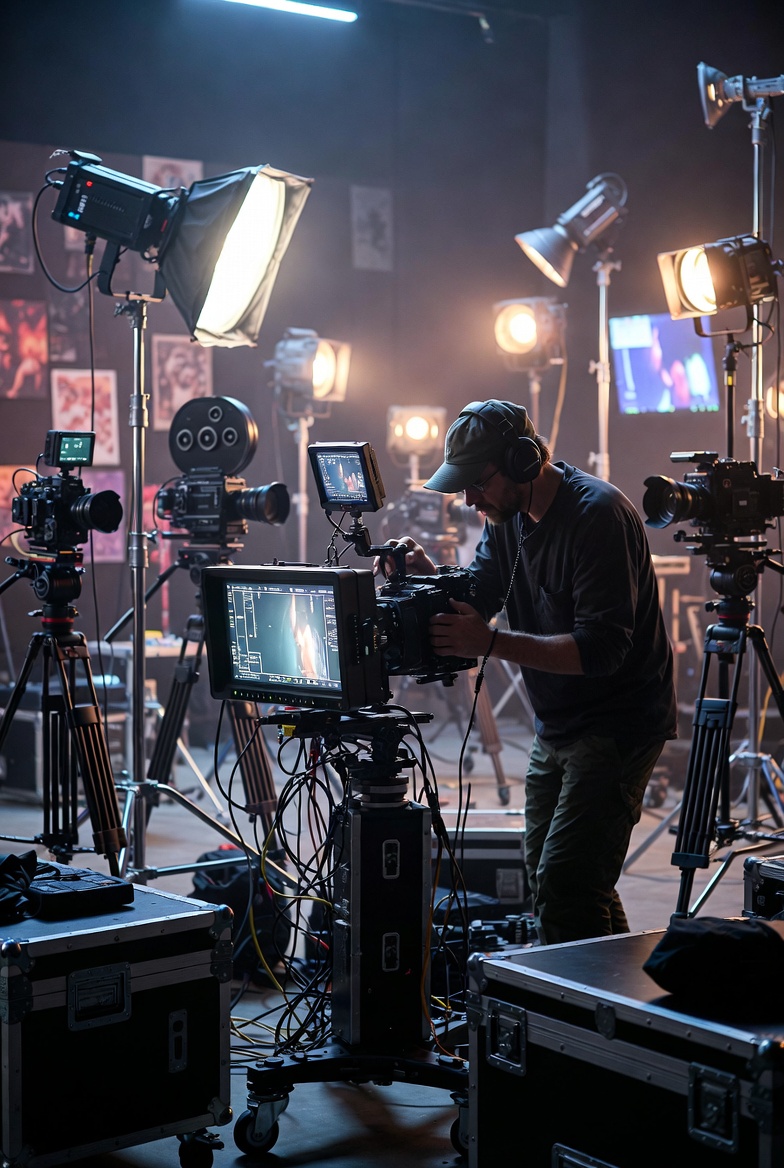
A professional videographer in a dynamic studio setup, embodying the high-tech low-fi revolution where AI supercharges authentic photography and video creation. Credit: MyTSV.com
AI's 2026 High-Tech Low-Fi Shift: Disrupting Photography/Video Workflows While Supercharging Authentic, Human-Driven Storytelling Opportunities
DEERFIELD, IL, UNITED STATES, March 5, 2026 /EINPresswire.com/ -- In a landscape where artificial intelligence (AI) is rapidly transforming creative industries, MyTSV.com, an innovative platform revolutionizing trusted local services through reviews, ratings, and expert guides, today released insights into the future of photography and video. The company's latest blog post, "High-Tech, Low-Fi Revolution: How AI Is Disrupting (and Supercharging) Photography & Video in 2026," highlights a pivotal shift toward authenticity-driven content amid AI's infrastructural dominance. This analysis positions 2026 as a year of opportunity for creators who blend human storytelling with cutting-edge tools, while warning of disruptions in traditional workflows.As AI adoption surges—with industry reports showing over 40% growth in photography studios over the past five years—the focus is moving away from pixel-perfect edits to emotion-rich, imperfect aesthetics. "Less perfection, more human" emerges as a core mantra, with clients valuing candid, documentary-style captures over staged perfection. This trend echoes a broader cultural rebellion against AI's flawless outputs, reviving analog film photography for its authentic flaws and integrating it into hybrid digital packages. Even AI-focused companies agree: surveys indicate that photographs favoring emotion and story will dominate in 2026, countering the hyperreal capabilities of generative tools.
AI's role as "default infrastructure" is accelerating this change by automating tedious tasks such as culling, editing, masking, and enhancements. Tools like Aftershoot and Imagen AI are saving professionals an estimated 473 hours annually—equivalent to 12 work weeks—allowing more time for creative direction.
Semantic editing via natural-language prompts enables quick changes like sky replacements or mood adjustments, while generative AI expands images by adding or removing elements. This efficiency is particularly transformative in video production, where text-to-video models are democratizing content creation, enabling independent creators to produce Hollywood-quality clips from simple prompts. However, as generative video proliferates on social media, it raises regulatory concerns, including calls for age verification, AI labeling, and challenges to outdated protections like Section 230.
The blog also explores evolving business models, shifting from one-off services to comprehensive content systems. Retainer structures now deliver multi-format assets—stills, vertical clips, behind-the-scenes footage—from single shoots, optimized for platforms like LinkedIn and TikTok. This approach leverages AI for repurposing content, supporting the creator economy's demand for ongoing streams. Freelance video producers and photographers are adapting by offering AI automation services, building smarter marketing workflows to counter disruption from generative tools.
High-growth niches identified include personal branding, where AI-assisted portraits and videos capture individual narratives; immersive and spatial media, with AI enabling 360-degree stitching; and eco-conscious production, reducing travel and reshoots for sustainability. In film and TV, AI is reshaping production by democratizing high-end creation and accelerating shifts toward user-generated content (UGC) platforms. Yet, challenges persist: tool fragmentation from rapid updates creates overload, positioning savvy professionals as "systems architects" who curate minimal, ethical stacks. Deepfakes and ethical risks, such as indistinguishable AI-generated videos, are becoming routine, blurring reality and prompting calls for transparency.
"MyTSV.com's concept as a trusted hub for local services, including video and photography, uniquely positions us to guide professionals through these changes," said Eugene Kolkevich at MyTSV.com. "AI doesn't destroy the industry; it amplifies those who combine human taste with technology, creating leverage in niches where authenticity reigns."
This press release draws on MyTSV.com's expertise in connecting users with top-rated services nationwide, emphasizing how AI trends will impact local creators in cities like Chicago. For the full blog post and additional resources, visit https://mytsv.com/blogs/high-tech-low-fi-revolution-how-ai-is-disrupting-and-supercharging-photography-video-in-2026.
Key trends in AI's influence on photography and video in 2026 include:
Authenticity Over Perfection: Shift toward emotion-driven, imperfect content like candid shots and analog film. This rewards human storytelling and counters AI's "perfect" look, with supporting examples such as documentary wedding coverage and film resurgence as a luxury.
AI Workflow Automation: Automation of culling, editing, and enhancements via tools like natural-language prompts. This saves time (e.g., 473 hours/year) and frees focus on creativity, with examples including Aftershoot for style-learning and generative expansion.
Content Systems and Retainers: Multi-format outputs from single shoots for ongoing client needs. This enables retainers and optimizes for social media, with examples like monthly shoots yielding clips and BTS, along with AI repurposing.
High-Growth Niches: Areas like personal branding, immersive media, and eco-production. This amplifies earnings and reduces environmental impact, with examples such as AI-assisted 360 stitching and previsualization for sustainability.
Tool Fragmentation and Ethics: Overload from updates and risks like deepfakes. This demands curation and safeguards while threatening generic markets, with examples including systems architecture for stacks and regulatory responses to AI content.
Deeper Analysis: Disruptions and Opportunities
While AI commoditizes headshots and stock images, forcing adaptations, it also opens doors for real-time semantic editing and hyperreal creations. Photographers turning to AI automation services exemplify resilience, expanding into workflow optimizations for businesses. In video marketing, platforms like Meta aim for full AI ad automation by 2026, personalizing content at scale. Yet, existential questions linger: Is photography "dead"? Experts argue no—AI replaces generics but can't replicate human connection, ensuring survival for narrative-focused pros.
Broader implications extend to film and TV, where AI could democratize creation but shift attention to UGC and immersive formats. As deepfakes become scalable, 2026 may see heightened scrutiny, blurring truth in media. Overall, AI's "bubble" may deflate, but its organizational value in agentic systems will grow.
About MyTSV.com
MyTSV.com is a nationwide platform offering trusted local services, reviews, ratings, and guides, connecting users with professionals in categories like video and photography. With promotional videos and expert insights, it empowers informed decisions in a tech-driven world.
Mr Izzatov
MYTSV
+1 6302977501
info@mytsv.com
Visit us on social media:
LinkedIn
Instagram
Facebook
YouTube
TikTok
X
Legal Disclaimer:
EIN Presswire provides this news content "as is" without warranty of any kind. We do not accept any responsibility or liability for the accuracy, content, images, videos, licenses, completeness, legality, or reliability of the information contained in this article. If you have any complaints or copyright issues related to this article, kindly contact the author above.
